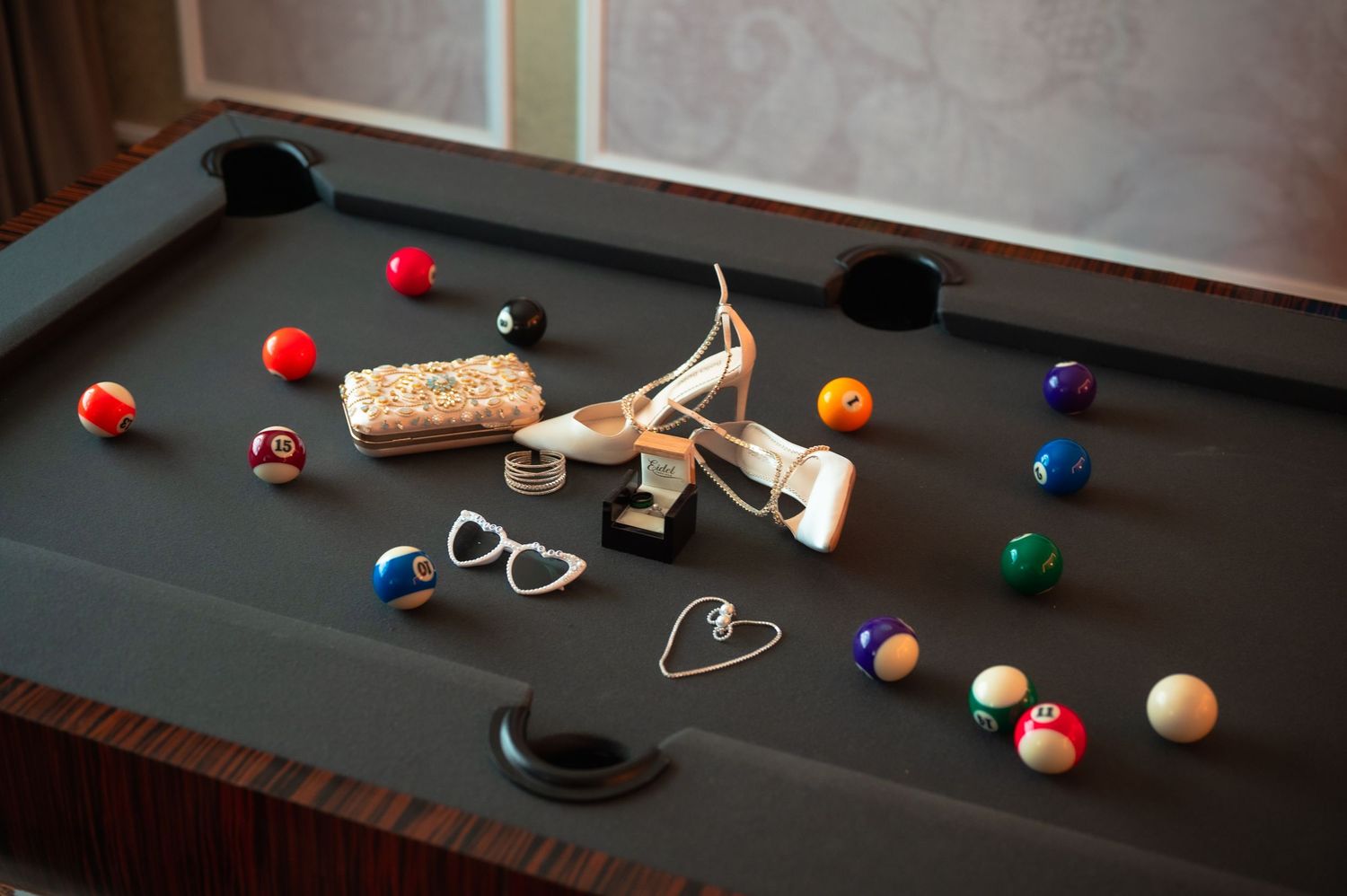
There Is No “Right” Way to Have a Wedding
If you’re in the middle of wedding planning wondering, “How am I supposed to avoid getting completely overstimulated on my wedding day?” you’re not alone.
As a fellow neurodivergent person, I know how overwhelming weddings can feel: the noise, the attention, the timeline, the constant social interaction, all of it. But your wedding day doesn’t have to leave you exhausted just to be meaningful.
After working thousands of weddings, I’ve found simple ways to make the day feel more comfortable and manageable, and these are the tips I keep coming back to.
Redefining what a wedding looks like
Traditional weddings are not mandatory
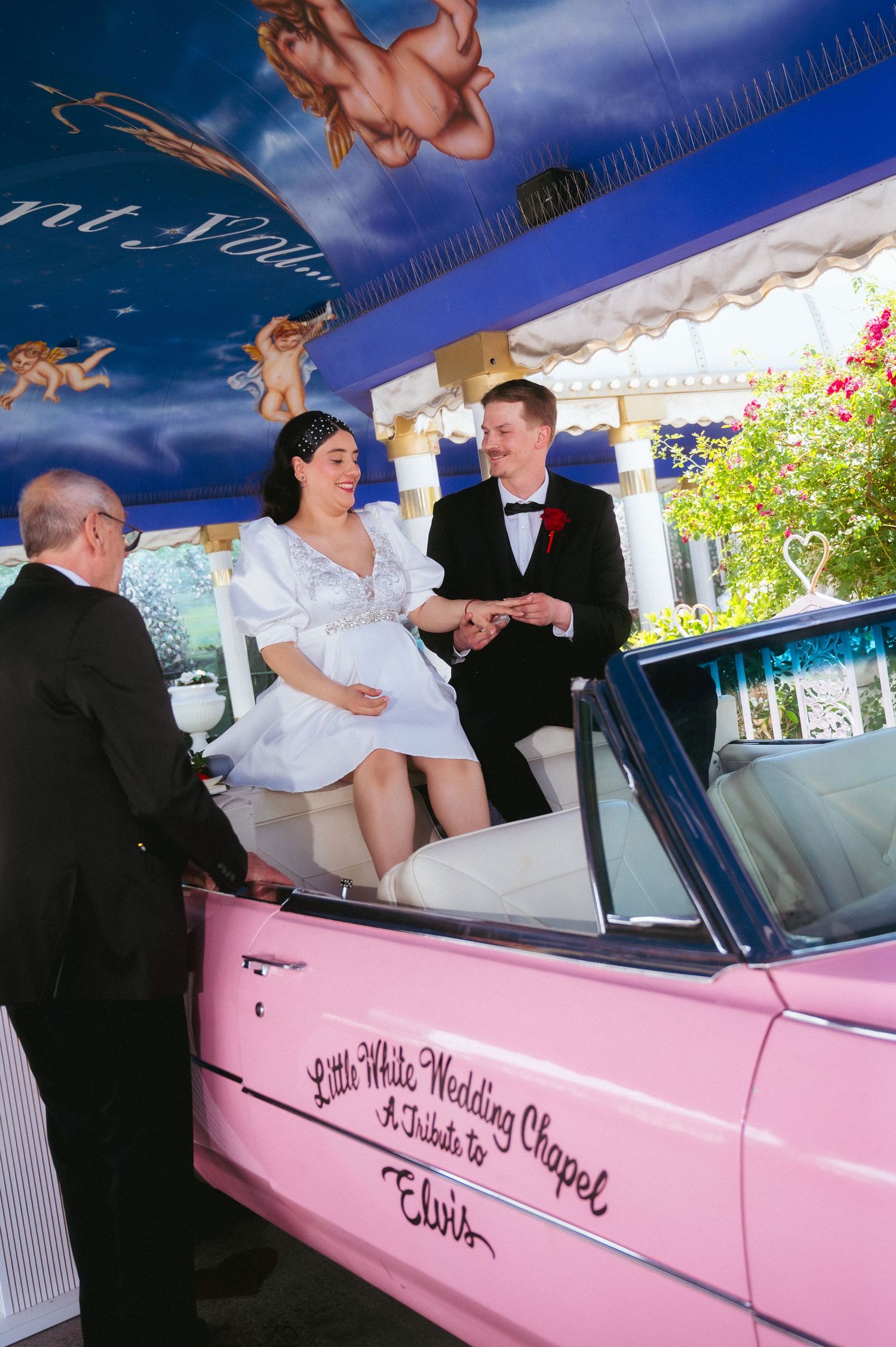
Being a wedding photographer in Las Vegas has completely changed the way I think about weddings. As the wedding capital of the world, Las Vegas hosts more than 120,000 weddings every year, and after photographing so many different types of celebrations, I’ve learned that there is no one “right” way to get married.
One of the biggest misconceptions around wedding planning, especially for neurodivergent couples, is the idea that a wedding has to be a huge, all-day event to be meaningful. It doesn’t. A bigger wedding does not mean your relationship is more important, more real, or more worthy of celebration.
Some of the best weddings I’ve photographed have been simple, intentional, and only a few hours long. Instead of spending the day overwhelmed, exhausted, or trying to meet everyone else’s expectations, those couples focused on creating meaningful memories with the people they felt safest and most comfortable around.
When it comes to planning a neurodivergent-friendly wedding, the first step is letting go of the pressure to perform tradition for other people. Your wedding should feel supportive, comfortable, and authentic to you, whether that means a small ceremony, a quiet dinner, an elopement, or a shorter wedding day timeline.
Understanding Sensory Overload on Wedding Days
Weddings can be incredibly overstimulating, especially for neurodivergent people. Between loud music, crowded spaces, tight timelines, constant social interaction, uncomfortable clothes, and being perceived all day long, it’s easy for your nervous system to hit its limit before the celebration is even over.
One of the most important parts of planning a neurodivergent-friendly wedding is recognizing your sensory triggers ahead of time and building a day that supports you instead of overwhelms you. That might look like creating a quieter timeline, taking breaks throughout the day, choosing comfortable clothing, limiting your guest count, or skipping traditions that feel draining instead of meaningful.
Your wedding day should feel manageable and enjoyable, not like something you just have to survive.
It all starts with the timeline
overscheduling causes Stress
downtime is productive, not wasted
slower mornings & later ceremonies ARE your friend
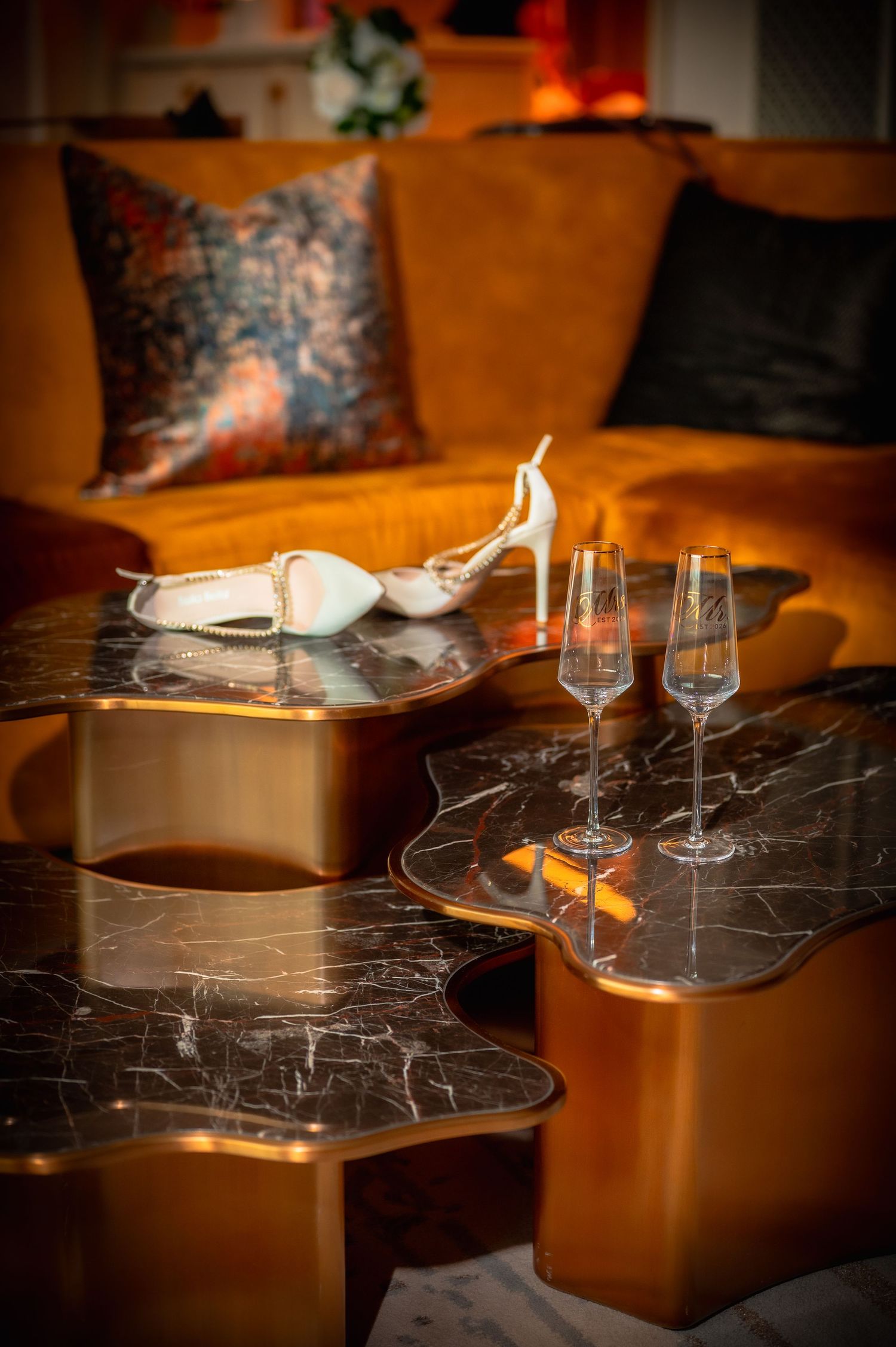
surround yourself with people who uplift, not overwhelm
give yourself extra buffer time in your timeline
it is okay to have a shorter wedding if you're worried about being "on" all day
What to Look for in a Neurodivergent-Friendly Wedding Photographer
When looking for a neurodivergent-friendly wedding photographer, focus on how they communicate, direct, and support you throughout the day. A good fit will be someone who makes things feel clear and low-pressure, gives gentle guidance instead of rigid posing, and is open to adjusting based on your comfort level and sensory needs. Look for photographers who talk about inclusivity, accessibility, or a calm approach in their work, and who prioritize making you feel safe and comfortable over creating perfectly staged moments. Most importantly, you should feel like you can be yourself around them without needing to mask or push through discomfort.
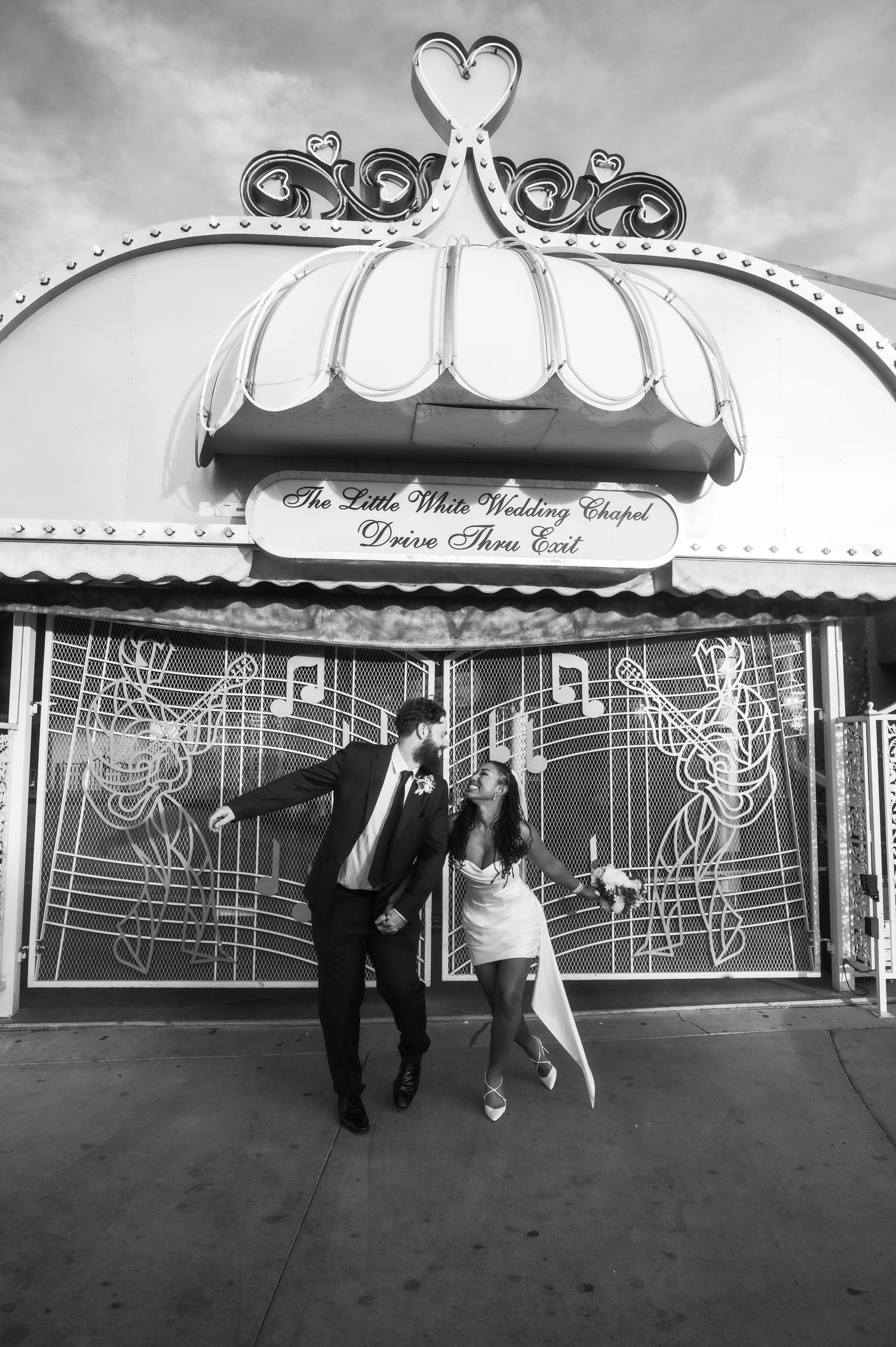
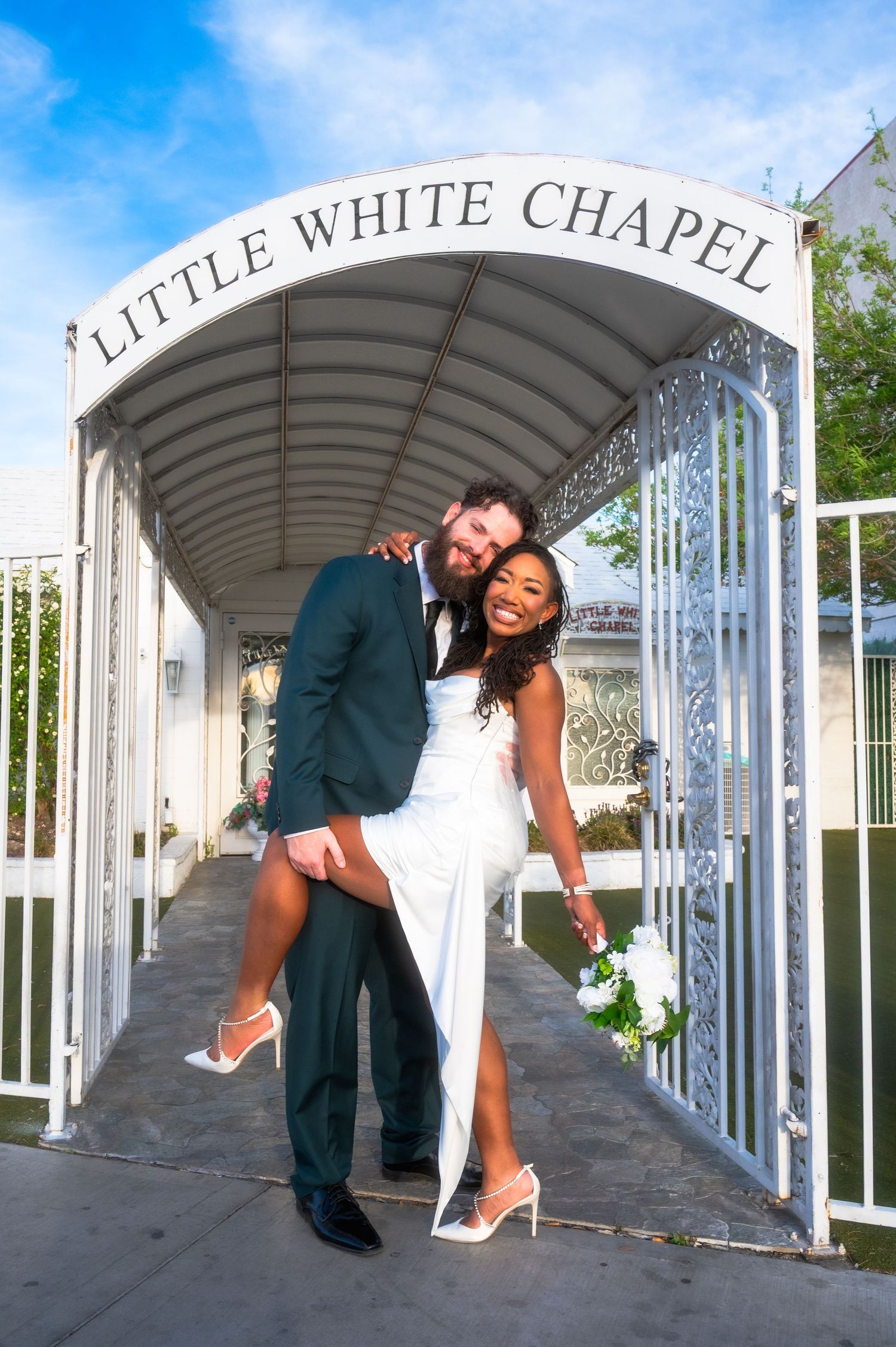
Tips for feeling more comfortable in front of the camera
from one neurodivergent to another
Feeling comfortable in front of the camera isn’t something you’re just supposed to “naturally” know how to do, especially on a day that already comes with a lot of emotion, attention, and sensory input. For many neurodivergent couples, it can help to think less about posing and more about creating conditions where you feel grounded and at ease.
Here are a few simple ways to make being photographed feel more comfortable and less overwhelming on your wedding day.
- When in doubt, focus on your partner. Some of the best photos come from genuine connection, not posed moments.
- Try to forget the camera is there and stay present with what you’re feeling and experiencing.
- Your photos are meant to reflect your relationship, not perform for anyone else’s expectations.
- If you don’t like being physically posed, talk to your photographer about using more candid or lightly directed prompts instead of traditional posing.
- It’s okay to move, laugh, talk, or pause during photos. Natural movement often leads to more comfortable and authentic images.
- You can always ask for direction if you’re unsure what to do. A good photographer will guide you in a way that feels simple and low-pressure.
Managing Expectations & Protecting your Peace
Why it's important to plan your wedding for you, not anyone else
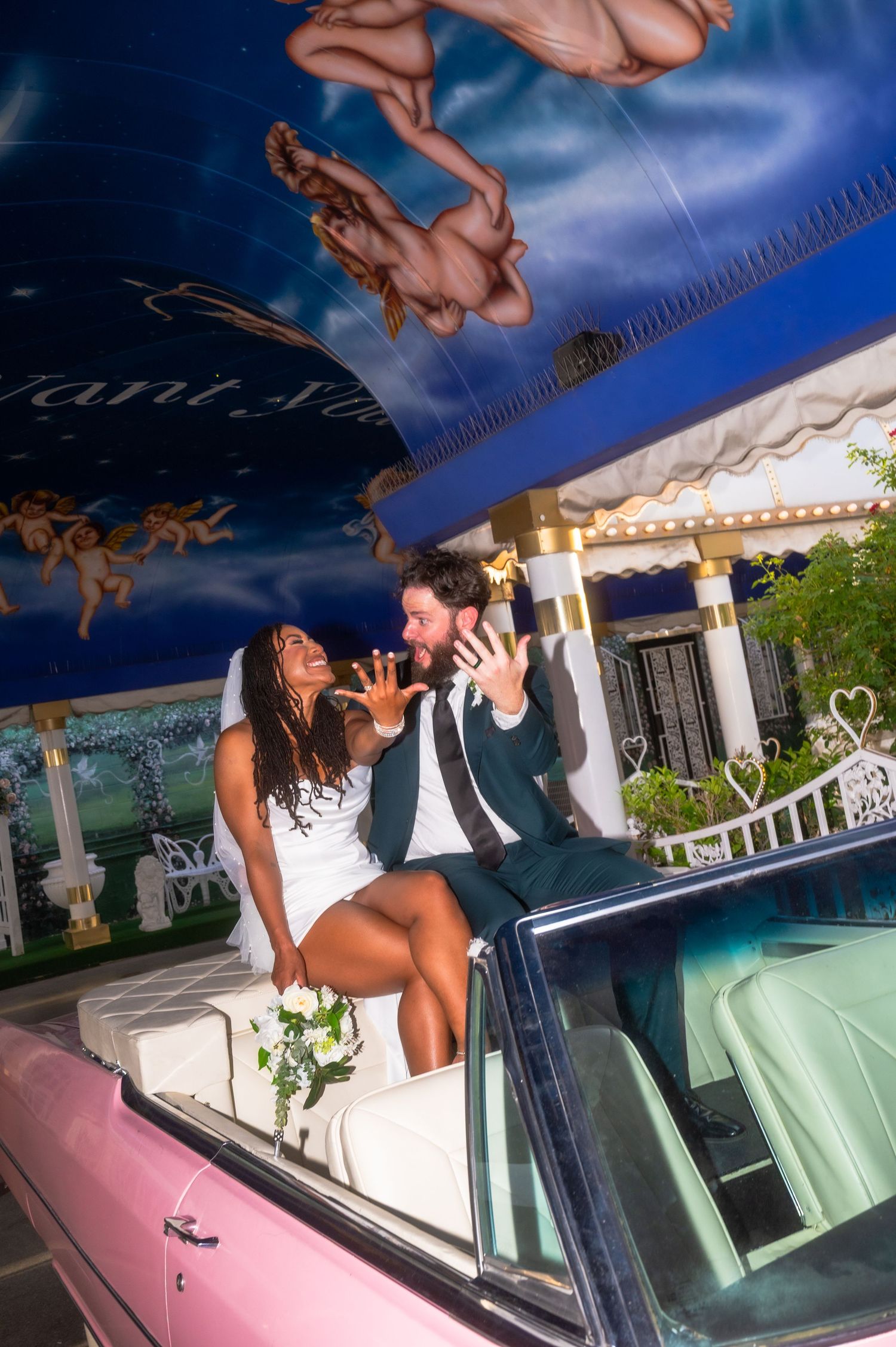
Managing expectations and protecting your energy is one of the most important parts of planning a neurodivergent-friendly wedding. You cannot make everyone happy, and trying to do so often leads to burnout. Prioritizing your own needs is not selfish, it’s necessary for having a day that feels sustainable and meaningful. Many couples experience decision fatigue, masking, and social exhaustion throughout the wedding process and on the day itself, which is why it’s so important to build in space for rest and recovery. Letting go of perfectionism and focusing on what actually feels good for you can make the entire experience more manageable and far more enjoyable.
Get in touch
If you're ready to take the next step and book a photographer that will support you and cheer you on, get in touch! I would love to capture your love in an authentic way :)